BISP 8171 Status Check : Why Your Beneficiary Status May Be Wrong & How to Verify Your Eligibility Accurately (2026 Guide)
Confused about your BISP 8171 status? Learn why beneficiary women are being removed or misclassified, how the 8171 portal works, common errors in eligibility checks, and the safest ways to verify your Benazir Income Support Programme status accurately in 2026.
BISP 8171 Status Check Explained: Complete Guide to Eligibility, Errors, and Accurate Verification
The Benazir Income Support Programme (BISP) is one of Pakistan’s largest social protection initiatives, designed to provide financial assistance to low-income families, especially women. Millions of beneficiaries rely on this program for quarterly payments, educational stipends, and poverty relief support.
However, in recent years, many beneficiaries have reported confusion regarding their eligibility status—especially when checking through the 8171 web portal. Some users see inconsistent results, while others find that they have been declared ineligible without prior notification. At the same time, new applicants sometimes remain stuck in “under verification” status for long periods.
This has led to growing concern and misinformation about how to properly check BISP eligibility.
This article explains how the system actually works, why status confusion happens, and how to correctly verify your BISP eligibility using reliable methods.
Understanding the BISP 8171 System
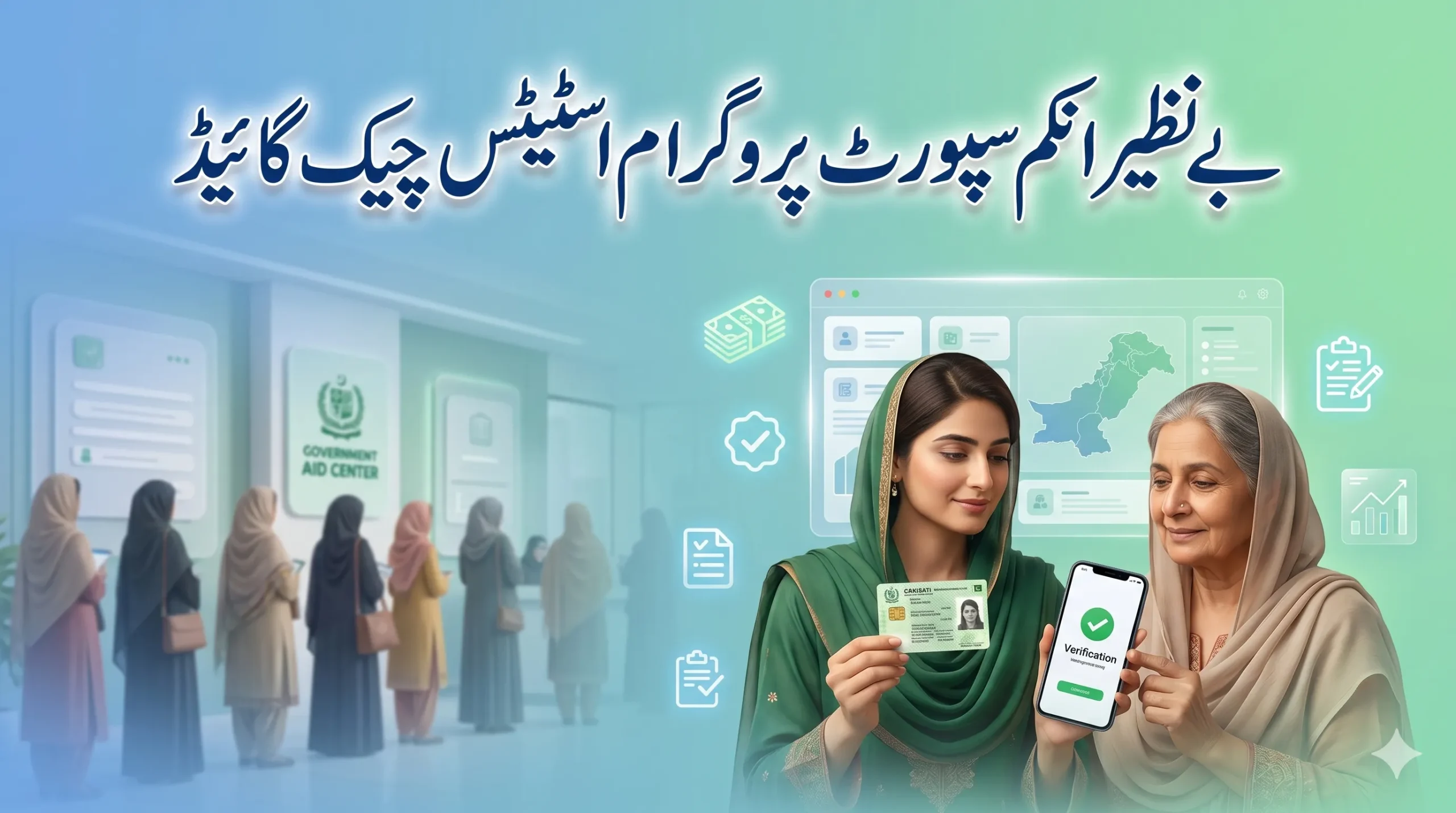
The 8171 web portal is the official digital gateway for checking eligibility and payment status under BISP and related programs such as the Ehsaas Program (now integrated into BISP frameworks).
Through this system, applicants can:
- Check eligibility using CNIC
- Confirm payment release status
- View survey or verification status
- Track application progress
However, many users misunderstand what the portal actually shows. The 8171 system is not always real-time and depends heavily on backend data updates from the National Socio-Economic Registry (NSER) survey database.
This means:
👉 The portal may show outdated or temporary status
👉 Data syncing delays can affect results
👉 Eligibility decisions may change after re-survey or verification
Why Many Beneficiaries See Confusing Status Messages
Thousands of beneficiaries report inconsistent or unclear messages on the 8171 portal such as:
- “Under Verification”
- “Not Eligible”
- “Survey Required”
- “No Record Found”
- “Eligible but Payment Not Released”
These messages do not always mean permanent disqualification.
Let’s break down the most common reasons:
1. NSER Data Updates Not Completed
The NSER database is constantly being updated. If your household survey is old, incomplete, or recently updated, your status may temporarily change.
For example:
- Income reassessment
- Change in household members
- Updated poverty score
These updates can temporarily remove you from active beneficiary lists until verification is complete.
2. Payment Cycle Delays
Sometimes beneficiaries are still eligible but payments are delayed due to:
- Budget release schedules
- Bank system updates
- District-level distribution delays
In such cases, the portal may not immediately reflect payment readiness.
3. Re-Survey Requirements
Many households are randomly selected for re-evaluation.
If you are selected:
- Your status may show “under review”
- Payments may pause temporarily
- Eligibility is reassessed
This is a normal part of program monitoring.
4. Data Entry or CNIC Errors
Even minor issues can cause incorrect results:
- Wrong CNIC entry
- Expired CNIC
- Typing mistakes in digits
Always double-check your CNIC when using the portal.
5. System Synchronization Issues
The 8171 system is dependent on multiple databases. Sometimes:
- NADRA records
- NSER database
- BISP payment system
do not sync instantly, leading to mismatched results.
Why Some Beneficiaries Are Suddenly Declared Ineligible
One of the biggest concerns among users is sudden removal from the program.
Common reasons include:
1. Improved Household Income
If updated survey data shows increased income above eligibility threshold, the system may mark the household as ineligible.
2. Government Re-Evaluation Policies
BISP regularly filters beneficiaries to ensure only deserving families remain in the program.
3. Duplicate or Incorrect Records
Some users are removed due to:
- Duplicate entries
- Mismatched family data
- Incorrect marital or household status
4. Lack of Survey Update
If you haven’t updated your NSER data in years, your profile may be automatically flagged.
Why New Beneficiaries Show “Under Verification” for Long Periods
New applicants often report being stuck in “verification pending” status for months.
This happens because:
- Field surveys are still being processed
- Data verification with NADRA is incomplete
- Budget allocation cycle has not started
- District validation is pending approval
This does NOT always mean rejection—it usually indicates backlog processing.
Understanding the Role of 8171 Portal vs Other Methods
The 8171 portal is helpful but limited. It does not always show full or final status.
It typically provides:
✔ Basic eligibility result
✔ Payment release updates
✔ General survey status
But it may NOT include:
❌ Real-time database updates
❌ Internal verification stages
❌ Pending district approvals
This is why some beneficiaries find conflicting results.
Common Mistakes People Make When Checking Status
Many users misinterpret their results due to these mistakes:
1. Checking Too Frequently
The system does not update instantly, so frequent checks may show repeated old status.
2. Trusting Unofficial Sources
Some people rely on social media claims or unofficial links that may not reflect real BISP data.
3. Ignoring NSER Requirements
Failing to update survey information can lead to confusion.
4. Not Visiting Official Centers
Many issues can only be resolved at BISP registration or Tehsil offices.
The Importance of Accurate Eligibility Verification
Accurate verification is important because it:
- Prevents misinformation
- Ensures timely payment collection
- Avoids unnecessary panic
- Helps correct survey data
BISP is a data-driven system, and small inaccuracies can significantly affect eligibility outcomes.
How to Properly Check Your BISP Status (Safe Methods)
To ensure accuracy, always rely on official or verified methods:
1. 8171 Web Portal (Official Method)
- Enter CNIC
- Complete captcha
- Check eligibility and payment status
2. SMS Service (8171)
- Send CNIC to 8171
- Receive official response
3. BISP Tehsil Office
- Visit nearest office
- Update NSER data
- Resolve eligibility issues
Why You Should Be Careful About Third-Party “Status Check Links”
In recent times, many users come across claims about alternative platforms that promise “more accurate” eligibility results than the official system.
However, caution is important.
Risks include:
- Data privacy issues
- Incorrect eligibility interpretation
- Misleading results
- Lack of official verification
Only official BISP channels should be trusted for final eligibility confirmation.
What to Do If Your Status Is Incorrect
If you believe your status is wrong, follow these steps:
Step 1: Recheck CNIC Carefully
Ensure no typing errors.
Step 2: Wait for System Update
Sometimes status changes after 24–72 hours.
Step 3: Visit BISP Office
Request:
- NSER update
- Re-verification
- Data correction
Step 4: Keep Documents Ready
- CNIC
- Household details
- Utility bills (if required)
Future Improvements in BISP System
The government is continuously improving the system to reduce confusion. Expected improvements include:
- Faster NSER updates
- Improved real-time data syncing
- Better transparency in eligibility decisions
- Expanded digital tracking features
These upgrades aim to reduce inconsistencies in beneficiary status reporting.
Conclusion
The BISP 8171 system is a vital tool for millions of beneficiaries, but it is not always perfect or fully real-time. Many of the issues people experience—such as being marked ineligible, stuck in verification, or showing inconsistent results—are often due to data updates, system synchronization delays, or survey requirements rather than permanent disqualification.
To avoid confusion, beneficiaries should rely only on official methods like the 8171 portal, SMS service, and BISP offices for accurate information. At the same time, keeping NSER data updated is essential for maintaining eligibility.
Understanding how the system works helps beneficiaries make informed decisions and avoid misinformation.