CM Ramadan Relief 2026 Bank Account No Longer Required for Financial Assistance – New Guide to Receive Aid
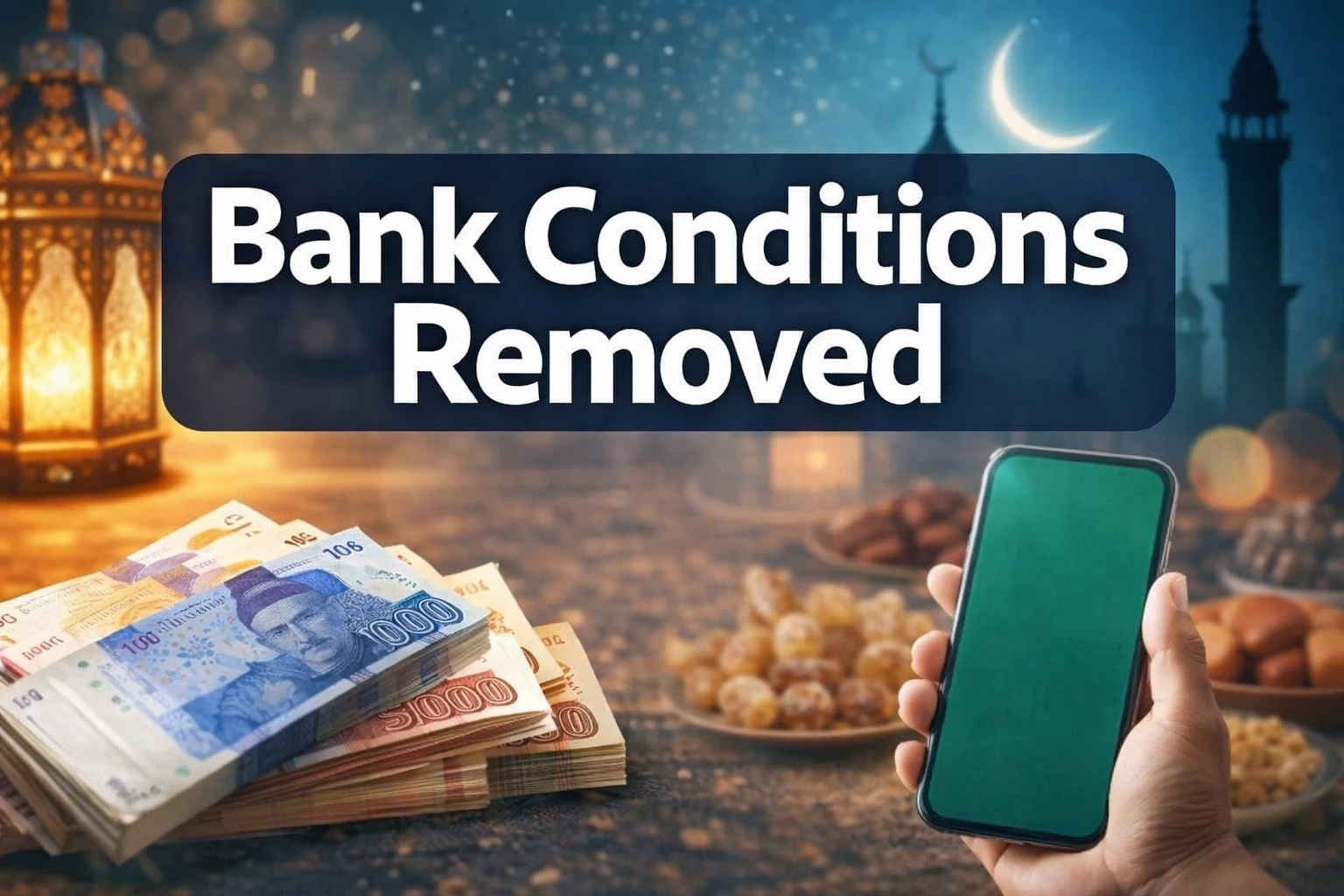
The Khyber Pakhtunkhwa government has introduced an important change in its Ramadan Relief Program for 2026. Families who qualify for financial assistance will no longer need a traditional bank account to receive support.
This update is expected to benefit thousands of low-income households, especially those living in rural and far-flung areas where banking facilities are limited.
The relief amount announced for eligible families is Rs. 12,500, aimed at helping them manage expenses during the holy month of Ramadan.
Why the Policy Was Updated
In many districts of KP, access to banking services remains limited. While cities have multiple bank branches, rural communities often rely on cash transactions or informal systems.
Previously, beneficiaries were required to have a bank account to receive government payments. However, several issues were reported:
- Many deserving individuals did not have active bank accounts
- Some areas had no nearby bank branches
- Travel costs made it difficult to open or maintain accounts
- Elderly citizens faced challenges with documentation
After reviewing public feedback and administrative reports, the provincial authorities revised the payment system to make it more practical.
How Beneficiaries Will Receive the Rs. 12,500 Assistance
Instead of limiting payments to traditional bank transfers, the government will now use digital wallet services for distribution.
Eligible individuals can receive funds through:
- Mobile wallet accounts
- Registered digital payment platforms
- Verified financial service agents
This approach allows people to collect their assistance from nearby agents without traveling long distances.
For many households, this change removes a major barrier.
Who Can Qualify for the Ramadan Relief Package?
Although official eligibility details are expected through government notifications, relief programs generally prioritize:
- Low-income families
- Daily wage workers
- Widows and single mothers
- Persons with disabilities
- Elderly citizens without stable income
Applicants may be required to verify identity through a valid CNIC and confirm household details.
The main goal is to ensure that support reaches genuinely deserving families.
Why Digital Payments Make More Sense in Rural Areas
In remote regions of KP, people often depend on local shops and mobile agents for financial transactions. Digital wallets are widely used for:
- Sending and receiving money
- Paying utility bills
- Buying mobile balance
- Small business transactions
By shifting to digital disbursement, the government aligns with existing habits instead of forcing citizens into complex banking procedures.
This makes the system faster and more inclusive.
Benefits of Removing the Bank Account Requirement
The updated policy offers several practical advantages.
Greater Inclusion
Families without formal banking access can now participate in the program.
Reduced Travel Burden
People do not need to travel to cities just to open an account.
Faster Distribution
Mobile wallets allow quicker transfers compared to traditional processes.
Lower Administrative Delays
Digital verification speeds up payment confirmation.
Increased Transparency
Electronic records help track payments more effectively.
Overall, this shift supports financial inclusion and modern payment systems.
What This Means for Deserving Families
Ramadan is a month when household expenses often increase. Food prices, utility bills, and daily essentials can place extra pressure on low-income families.
An assistance amount of Rs. 12,500 can help with:
- Purchasing basic groceries
- Covering utility bills
- Meeting medical expenses
- Managing school-related costs
For many households, this support provides temporary financial relief during a spiritually significant month.
How to Prepare for the Program
If you believe you qualify, consider the following steps:
✔ Ensure Your CNIC Is Valid
Your identity card should be active and updated.
✔ Register a Mobile Wallet (If Not Already Done)
Having an active digital wallet linked to your CNIC may help in receiving funds smoothly.
✔ Stay Updated Through Official Sources
Follow government announcements through verified platforms.
✔ Avoid Unverified Agents
Do not share personal information with unauthorized individuals.
Being prepared can reduce confusion when the program officially launches.
Addressing Common Concerns
Whenever a payment method changes, people may have questions. Here are some common concerns addressed clearly.
Is digital payment safe?
When used correctly, registered digital wallets offer secure transactions. Always keep your PIN confidential.
What if someone does not know how to use a mobile wallet?
Local service agents usually assist beneficiaries in withdrawing funds.
Will there be any service charges?
Official announcements will clarify whether transaction fees apply. Many government programs aim to minimize or eliminate charges.
Broader Impact on Social Welfare Programs
This change reflects a larger shift in public service delivery. Across Pakistan, digital payments are increasingly being used in:
- Emergency relief programs
- Social protection initiatives
- Cash transfer schemes
- Subsidy distribution systems
Such systems improve tracking, reduce leakages, and create financial records that support better planning.
If implemented properly, this Ramadan Relief Program could serve as a model for future welfare initiatives in the province.
Importance of Transparency and Accountability
For any relief program to succeed, transparency is essential.
Authorities must ensure:
- Clear eligibility criteria
- Public notification of deadlines
- Complaint handling mechanisms
- Monitoring of payment distribution
Citizens should report irregularities through official complaint channels if they face issues.
A fair and transparent system builds public trust.
Final Thoughts
The decision to remove the bank account requirement for the KP Ramadan Relief 2026 package marks a practical improvement in social assistance delivery.
By allowing payments through digital wallets, the government has made the process more accessible, especially for rural communities.
If implemented efficiently, this step can ensure that financial aid reaches those who need it most—without unnecessary complications.
For families struggling to manage rising costs during Ramadan, this policy change may provide meaningful support.
Frequently Asked Questions (FAQs)
How much financial assistance will eligible families receive?
Eligible households are expected to receive Rs. 12,500 under the Ramadan Relief 2026 program.
Is a traditional bank account required to get the payment?
No. The updated system allows payments through registered digital wallets and mobile financial services.
Who is likely to qualify for this assistance?
Low-income families, daily wage earners, widows, elderly individuals, and other financially vulnerable groups may qualify, subject to official criteria.
How will beneficiaries know they are selected?
Official notifications and announcements from the provincial government will provide details about verification and payment methods.
What should applicants avoid during registration?
Avoid sharing personal information with unverified agents and rely only on official government sources.