

Apna Khet Apna Rozgar Rs70,000 Monthly Approved by CM Punjab – Complete Guide to Apply Online
The provincial government has announced a major increase in the monthly stipend for agriculture interns. Under the updated policy, selected interns will now receive Rs70,000 per month.
This decision is closely linked with the Apna Khet Apna Rozgar initiative, which aims to support young people who want to build careers in farming and agribusiness. For many rural graduates, this development could be a turning point.
Why the Stipend Increase Matters
Agriculture is often seen as hard work with limited financial return. Many educated young people prefer office jobs because they believe farming does not offer stable income.
By increasing the stipend to Rs70,000, the government is sending a clear message: agriculture is a serious and rewarding profession.
This financial support helps interns:
- Cover personal expenses
- Gain hands-on field experience
- Focus on learning without financial stress
- Plan long-term agricultural ventures
The increase makes agricultural internships more attractive compared to other entry-level opportunities.
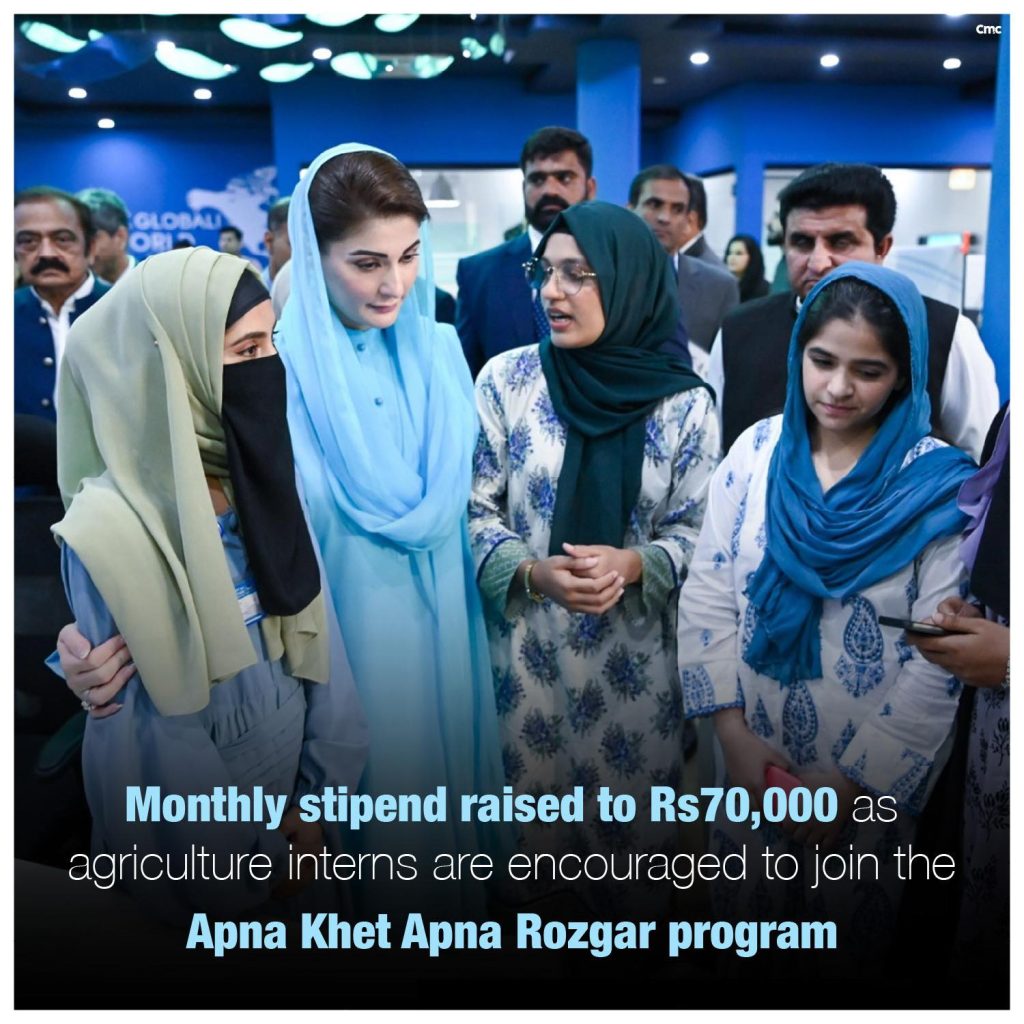
زرعی شعبے میں نوجوانوں کی حوصلہ افزائی کے لیے حکومت نے اہم قدم اٹھاتے ہوئے زرعی انٹرنز کا ماہانہ وظیفہ بڑھا کر ستر ہزار روپے کر دیا ہے۔ یہ اضافہ خاص طور پر ان نوجوانوں کے لیے خوش آئند ہے جو “اپنا کھیت اپنا روزگار” پروگرام کے تحت عملی تربیت حاصل کرنا چاہتے ہیں۔ اس فیصلے کا مقصد یہ ہے کہ تعلیم یافتہ نوجوان زراعت کو سنجیدہ پیشہ سمجھیں اور مالی دباؤ کے بغیر میدان میں کام سیکھ سکیں۔
انٹرن شپ کے دوران نوجوانوں کو کھیتوں میں عملی تجربہ حاصل ہوگا، جس میں فصلوں کی منصوبہ بندی، آبپاشی کے نظام، مٹی کی جانچ اور جدید کاشتکاری طریقوں کی تربیت شامل ہو سکتی ہے۔ بڑھا ہوا وظیفہ انہیں ذاتی اخراجات پورے کرنے اور مستقبل میں اپنا زرعی کاروبار شروع کرنے میں مدد دے گا۔
یہ اقدام دیہی معیشت کو مضبوط بنانے کی کوشش بھی ہے، کیونکہ جب نوجوان اپنے علاقوں میں روزگار حاصل کریں گے تو شہروں کی طرف ہجرت کم ہو سکتی ہے۔ اگر اس پروگرام پر شفاف انداز میں عمل درآمد کیا گیا تو یہ نہ صرف نوجوانوں کے لیے مواقع پیدا کرے گا بلکہ زرعی پیداوار اور خود انحصاری میں بھی اضافہ کرے گا۔
Connecting Internships with Apna Khet Apna Rozgar
The stipend increase is not an isolated step. It aligns with the broader goal of promoting self-employment in agriculture.
The Apna Khet Apna Rozgar program encourages young people to:
- Start their own farming projects
- Use modern techniques
- Develop agribusiness ideas
- Reduce dependence on traditional employment
Interns who receive structured training and financial support are more likely to transition into independent farming or agricultural entrepreneurship.
Who Can Benefit from the Internship Program?
Although final eligibility details depend on official guidelines, agriculture internship programs typically target:
- Graduates in agriculture or related fields
- Young individuals interested in farming
- Candidates willing to work in rural areas
- Applicants ready to participate in field-based learning
The goal is not only to provide income but also to build practical skills.
What Interns Are Expected to Do
Agriculture internships are not desk jobs. They involve real field exposure and active participation in farming activities.
Common Responsibilities May Include:
- Assisting farmers in crop planning
- Monitoring irrigation systems
- Supporting soil testing and pest control
- Learning about seed quality and fertilizer use
- Helping implement modern farming methods
Through this process, interns gain valuable knowledge that cannot be learned from textbooks alone.
Building Skills for Modern Farming
Farming today is very different from traditional methods used decades ago. It now includes technology, data analysis, and sustainable practices.
Interns may receive training in areas such as:
- Water-efficient irrigation systems
- Climate-resilient crop selection
- Farm budgeting and cost management
- Use of agricultural machinery
- Basic agribusiness planning
This practical exposure prepares them to run their own projects under Apna Khet Apna Rozgar.
Financial Security During Training
One major reason young people avoid internships is low or unpaid stipends. With Rs70,000 per month, agriculture interns can focus fully on skill development.
This amount helps them:
- Manage transportation costs
- Support family expenses
- Invest in small farming tools
- Save for future agricultural ventures
Financial security during the learning phase increases confidence and commitment.
Encouraging Youth to Stay in Rural Areas
Urban migration remains a serious issue. Many rural graduates move to cities in search of jobs, leaving villages with limited skilled manpower.
By improving financial incentives in agriculture, the government aims to:
- Retain talent in rural communities
- Strengthen local economies
- Improve farming productivity
- Reduce pressure on urban job markets
When agriculture becomes financially viable, youth are more likely to build careers in their own communities.
Long-Term Impact on the Agriculture Sector
If properly implemented, the stipend increase could have long-term benefits.
Possible Outcomes Include:
- Higher adoption of modern farming practices
- Increased productivity per acre
- Stronger agribusiness startups
- Better income stability for farmers
- Greater interest in agricultural education
Young professionals bring new ideas, energy, and innovation to farming. Supporting them financially increases the chances of meaningful reform.
Challenges to Consider
While the initiative is promising, successful implementation depends on transparency and monitoring.
Key areas to watch include:
- Fair selection process
- Timely payment of stipends
- Clear training guidelines
- Measurable performance outcomes
Without proper supervision, even well-designed programs can face delays or inefficiencies.
How Internships Support Self-Employment
The link between internships and self-employment is crucial. An intern who understands crop cycles, budgeting, and market trends is better prepared to launch a personal farming venture.
After completing the internship, participants may:
- Apply for agricultural financing
- Start small-scale crop production
- Establish dairy or poultry units
- Provide agricultural advisory services
The combination of training and financial exposure creates a solid foundation.
Practical Advice for Interested Candidates
If you are considering applying, keep the following in mind:
- Stay updated through official announcements
- Prepare required educational documents
- Understand program commitments before applying
- Be ready for field-based assignments
Agriculture internships demand dedication and physical involvement. They are best suited for those genuinely interested in farming.
Strengthening Agricultural Education
The stipend increase also enhances the value of agricultural degrees. Students often question career prospects after graduation.
With improved financial opportunities in internships, agriculture becomes a competitive career option.
Educational institutions may also collaborate more closely with government programs to align academic training with real-world needs.
A Step Toward Sustainable Development
Agriculture plays a key role in food security and economic stability. Supporting young professionals strengthens the entire supply chain.
Financial incentives combined with practical exposure promote:
- Sustainable crop production
- Efficient resource management
- Reduced production costs
- Higher farmer income
Such steps contribute to long-term rural development.
Conclusion
The decision to raise the monthly stipend to Rs70,000 for agriculture interns is a strong signal of commitment to youth empowerment and agricultural growth.
By linking internship support with the Apna Khet Apna Rozgar initiative, the government aims to transform farming into a modern, profitable, and respected profession.
For young graduates who are passionate about agriculture, this may be the right time to step forward, gain experience, and build a sustainable future in farming.
Frequently Asked Questions
1. What is the new monthly stipend for agriculture interns?
The stipend has been increased to Rs70,000 per month for eligible interns.
2. How does this relate to Apna Khet Apna Rozgar?
The internship program supports youth participation in agriculture and prepares them for self-employment under the broader initiative.
3. Who can apply for the internship?
Typically, agriculture graduates or young individuals interested in farming are eligible, subject to official criteria.
4. Is the internship field-based?
Yes, it generally involves practical agricultural work and hands-on learning.
5. Why was the stipend increased?
The increase aims to make agricultural internships financially attractive and encourage youth involvement in farming.







8171